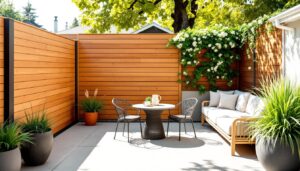


A patio porch isn’t just a transitional space between the yard and your house, it’s prime real estate for outdoor living. Whether you’re working with a concrete slab, a wood deck, or a covered front porch, the right upgrades can turn it into a functional extension of your home. This guide covers practical ideas that go beyond tossing out a couple of chairs. From flooring that can handle freeze-thaw cycles to lighting that won’t trip a breaker, these are the upgrades that homeowners and DIYers can tackle with the right materials and a weekend’s work.
Table of Contents
ToggleKey Takeaways
- Patio porch ideas should prioritize foundational upgrades like flooring, drainage, and code-compliant railings before adding seating, lighting, and decor.
- Durable seating arrangements require proper spacing (30-40 inches clearance), weather-resistant materials like teak or aluminum frames, and UV-resistant cushions for longevity.
- Flooring options range from budget-friendly epoxy stains on concrete to interlocking composite deck tiles ($8-15 per square foot) and refinished wood surfaces that withstand freeze-thaw cycles.
- LED lighting solutions—including low-voltage string lights, motion-activated fixtures, and wet-rated ceiling fans—enhance both safety and ambiance while meeting electrical codes.
- Weather protection and privacy enhancements like retractable awnings, vinyl curtains, and post-mounted screens require proper installation depth (24-48 inches for frost-prone areas) to prevent structural failure.
- Outdoor decor and finishing touches such as washable throw pillows, weatherproof speakers, and reflective address plaques add character while maintaining functionality and code compliance.
Cozy Seating Arrangements for Maximum Comfort
Seating makes or breaks a porch. Start by measuring your usable floor space, standard lounge chairs need at least 30 inches of clearance for foot traffic, while a sectional requires closer to 36-40 inches on all sides.
Built-in bench seating is a solid DIY option if you’ve got basic carpentry skills. Frame it with 2×4 pressure-treated lumber for the structure and cap it with 2×6 or composite decking boards. Secure the frame to wall studs or deck joists with 3-inch exterior-grade screws. Add outdoor cushions with UV-resistant fabric, look for solution-dyed acrylic, which resists fading better than cotton blends.
For movable seating, aluminum or powder-coated steel frames hold up better than resin wicker in humid climates. If you’re in a freeze zone, avoid ceramic or terra cotta accent tables, they’ll crack. Opt for teak, cedar, or HDPE (high-density polyethylene) furniture, which weathers without splintering.
Hanging porch swings require lag bolts anchored into ceiling joists rated for at least 500 pounds of dynamic load. If your porch roof framing is questionable, install a beam hanger or consult a structural engineer. Safety beats aesthetics every time.
Stylish Flooring Options to Upgrade Your Patio Porch
Flooring takes the most abuse of any porch surface, UV, moisture, freeze-thaw, and foot traffic. If you’re dealing with a bare concrete slab, an epoxy or acrylic concrete stain is the budget-friendly starting point. Acid stains create variegated color but require neutralizing and sealing. Water-based acrylics are easier for DIYers and come in more predictable tones.
Interlocking deck tiles (composite or natural wood like teak or ipe) install without fasteners and sit directly on concrete or existing wood decking. They provide drainage channels underneath and can be pulled up seasonally if needed. Expect about $8-15 per square foot for composite, more for hardwood.
For wood porches showing wear, sanding and refinishing is straightforward if the boards are structurally sound. Use a drum sander with 60-grit to level the surface, then step up to 80- and 100-grit. Apply a penetrating oil-based deck stain or a water-based solid stain depending on whether you want to see the grain. Solid stains last longer but hide wood character.
Outdoor rugs made from polypropylene are mold-resistant and hose-cleanable. Secure edges with double-sided carpet tape rated for exteriors or use rug grippers to prevent tripping hazards. When considering layouts, furniture arrangements should allow for easy traffic flow and conversation zones.
Lighting Solutions That Set the Perfect Ambiance
Lighting serves two roles: safety and atmosphere. Motion-activated overhead fixtures at entry points reduce stumbles and discourage porch pirates. Mount them at least 7 feet above the deck surface to avoid head bumps.
For ambient lighting, low-voltage LED string lights (12V systems) are safer and more energy-efficient than 120V incandescent. Run the transformer inside or in a weather-resistant enclosure. Drape cables along rafters or fascia boards, securing every 18-24 inches with insulated staples or cable clips, don’t puncture the wire insulation.
Solar path lights work for walkways but don’t expect bright task lighting. They’re best for accent, not illumination. If you want reliable performance, hardwired 120V low-profile step lights or recessed puck lights installed in stair risers or under railings offer code-compliant safety lighting. Check your local electrical code, most jurisdictions follow NEC Article 210 for outdoor receptacles and lighting, requiring GFCI protection within 6 feet of grade.
Ceiling fans with integrated lights provide airflow and visibility. Make sure the fan is rated for wet or damp locations depending on your porch coverage. Wet-rated models handle direct rain: damp-rated ones are fine under a roof. Mount to a ceiling fan-rated junction box, not a standard lighting box, fan vibration will loosen a non-rated box over time.
Greenery and Plant Displays for a Natural Touch
Plants soften hard edges and add vertical interest, but they need the right support and drainage. Hanging planters should be mounted to joists or blocking with screw hooks rated for 50+ pounds. Toggle bolts won’t hold in drywall or thin fascia.
For railing planters, choose models with adjustable brackets that fit 2×4 or 2×6 top rails. Avoid designs that trap water against wood, they’ll accelerate rot. Drill a few extra 1/4-inch drainage holes in plastic liners if needed.
Vertical garden trellises can be freestanding or wall-mounted. If attaching to siding, use stainless steel or galvanized standoffs to create an air gap, this prevents moisture damage and gives vines room to climb. Cedar or pressure-treated lattice panels resist rot better than pine.
Container gardening works well on porches with part shade. Use lightweight resin or fiberglass planters instead of ceramic if you’re working on an elevated deck, check your deck’s load rating if you’re clustering heavy pots. A 10-gallon planter filled with wet soil and a plant can weigh 80+ pounds.
Consider native, low-maintenance perennials suited to your hardiness zone. In many regions, plantings paired with simple furnishings create timeless appeal without demanding daily watering routines.
Weather Protection and Privacy Enhancements
Retractable awnings offer shade without permanent structure, but they’re not cheap, expect $500-3,000 installed depending on width and motorization. Manual crank models are DIY-friendly: motorized versions often require an electrician for code-compliant wiring.
Outdoor roller shades or bamboo blinds mount to the underside of porch ceilings or fascia boards. Use stainless steel hooks and UV-resistant cord for manual operation. Exterior-grade cordless shades with crank lifts are easier on the hands for wide spans.
For wind and rain protection, clear vinyl drop curtains snap or zip onto grommeted tracks. They’re common in three-season porches but can look utilitarian. If aesthetics matter, marine-grade acrylic panels in aluminum frames provide better optics and durability.
Privacy screens, slatted wood, lattice, or powder-coated metal, can be freestanding or post-mounted. For permanent installations, sink 4×4 posts at least 24 inches deep in concrete footings. In frost-prone areas, extend below the frost line (typically 36-48 inches depending on region) to prevent heaving.
If your porch lacks a roof and you want overhead coverage, adding a structure may require a building permit. Pergolas under 120 square feet sometimes skate by without permits, but check local zoning. Anything with a solid roof is usually classified as a structure and needs engineering stamps in many jurisdictions.
Decor and Finishing Touches to Personalize Your Space
Decor doesn’t mean tchotchkes, it means functional details that add character. Outdoor-rated throw pillows should have removable, washable covers and quick-dry foam or polyester fill. Down and cotton will mildew.
House numbers and address plaques aren’t just decorative, they’re code-required in most municipalities for emergency access. Mount them where they’re visible from the street, ideally with reflective or illuminated digits at least 4 inches tall.
Porch railings can be upgraded with cable rail infill, tempered glass panels, or decorative balusters. If replacing, verify local code, most require 36-inch minimum height for porches more than 30 inches above grade, with no gaps larger than 4 inches (the “sphere rule” to prevent child falls).
Outdoor speakers add ambiance but need weatherproof ratings (IP65 or higher for uncovered areas). Run outdoor-rated speaker wire in conduit if surface-mounting, or fish it through walls if you have access. Bluetooth models eliminate wiring but require charging or battery swaps.
Don’t overlook paint and stain refresh. Railings, posts, and trim take a beating. Scrape loose paint, spot-prime bare wood with an oil-based exterior primer, and topcoat with 100% acrylic latex paint. For decks and floors, a solid acrylic stain lasts 3-5 years versus 1-2 for semi-transparent.
Drawing inspiration from design collections across different aesthetics helps refine your vision, but always adapt ideas to your climate and structural reality.
Conclusion
Upgrading a patio porch isn’t about following a single style, it’s about choosing materials and layouts that fit how the space gets used and what the structure can handle. Prioritize the foundational work, solid flooring, proper drainage, code-compliant railings, before layering in seating, lighting, and decor. Most of these projects are within reach for a motivated DIYer with basic tools, but don’t skip permits or structural consults when the project calls for it.