
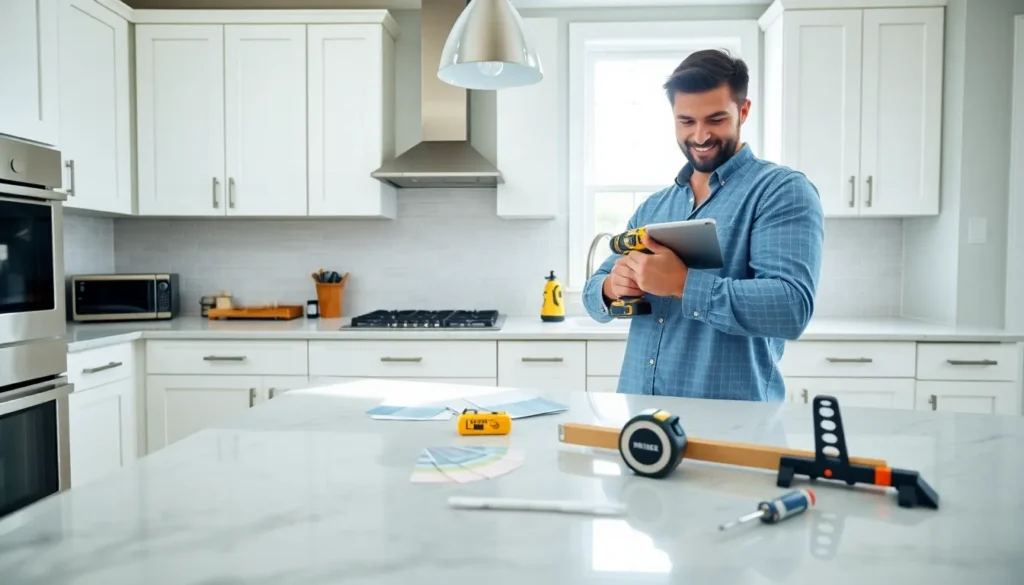

Home renovation ideas for beginners can transform a dated space without overwhelming first-time DIYers. The key is starting smart, choosing projects that build confidence while delivering visible results. Whether someone wants to refresh a tired bathroom or finally tackle that outdated kitchen, the right approach makes all the difference.
Many homeowners assume renovations require professional skills and massive budgets. That’s simply not true. With basic tools, some YouTube tutorials, and a weekend free, beginners can complete projects that genuinely improve their living spaces. This guide covers practical home renovation ideas for beginners, from quick wins to slightly more ambitious upgrades.
Table of Contents
ToggleKey Takeaways
- Start with small, low-risk projects like painting or updating hardware to build confidence before tackling larger home renovation ideas for beginners.
- Budget-friendly upgrades such as replacing light fixtures, adding peel-and-stick backsplash, or refinishing cabinets can transform a space for under $200.
- Invest in essential tools like a cordless drill, tape measure, level, and stud finder to set yourself up for long-term DIY success.
- Focus on high-visibility areas where small changes create the biggest visual impact without breaking your budget.
- Know your limits—hire professionals for electrical panel work, gas lines, structural changes, and anything involving safety codes or permits.
- Use a simple rule: if a DIY mistake would cost under $500 to fix, the project is likely safe for beginners to attempt.
Start With Small, Low-Risk Projects
The biggest mistake beginners make? Biting off more than they can chew. Nobody should start their renovation journey by knocking down a load-bearing wall. Instead, small projects build skills and confidence without catastrophic risk.
Painting remains the classic starter project for good reason. A fresh coat of paint transforms any room in a single weekend. Beginners should start with a small bathroom or closet to practice cutting in and rolling technique before tackling larger spaces. One gallon of quality paint costs around $30-50 and covers approximately 400 square feet.
Updating hardware offers instant gratification. Swapping out cabinet knobs, drawer pulls, and door handles takes minutes per piece. These small changes modernize kitchens and bathrooms surprisingly well. Most hardware requires only a screwdriver to install.
Installing new light switch plates and outlet covers sounds almost too simple, but dingy plastic covers date a home instantly. Spending $2-3 per cover for updated styles creates a cleaner look throughout the house.
Home renovation ideas for beginners should always prioritize learning over ambition. Each completed project teaches something valuable, how to prep surfaces, measure correctly, or troubleshoot unexpected problems. These skills compound over time.
Budget-Friendly Upgrades That Make a Big Impact
Smart renovators know that impact doesn’t correlate directly with spending. Some of the most dramatic home improvements cost under $200.
Replacing outdated light fixtures ranks among the best home renovation ideas for beginners with limited budgets. A $50 modern pendant light can replace a dated fixture and completely change a room’s character. Most fixtures require only basic electrical knowledge, turning off the breaker, matching wire colors, and securing connections.
Peel-and-stick backsplash tiles have improved dramatically in recent years. Quality options look remarkably like real tile and cost a fraction of traditional materials. Installation requires no special tools, no mortar, and no grout. A kitchen backsplash project typically runs $100-150 for materials.
Refinishing cabinet fronts beats full replacement any day. Sanding, priming, and painting existing cabinets costs roughly 10% of new cabinet installation. The process takes patience but requires no advanced skills.
Adding crown molding elevates any room’s appearance. Pre-primed molding from home improvement stores costs approximately $1-3 per linear foot. A miter saw helps cut precise angles, though coping saws work for beginners tackling their first room.
These budget-friendly home renovation ideas for beginners prove that creativity beats spending every time. The secret lies in identifying high-visibility areas where small changes create outsized visual impact.
Essential Tools and Skills Every Beginner Needs
Before starting any project, beginners need a basic toolkit. Investing in quality tools upfront saves money and frustration long-term.
Must-Have Tools
- Cordless drill/driver – The workhorse of any renovation project. Expect to spend $60-150 for a reliable model.
- Tape measure – Get a 25-foot tape with a sturdy lock mechanism.
- Level – Both torpedo (9-inch) and 4-foot levels serve different purposes.
- Utility knife – Sharp blades matter more than the handle.
- Hammer – A 16-ounce claw hammer handles most tasks.
- Screwdriver set – Phillips and flathead in multiple sizes.
- Pliers – Needle-nose and standard varieties.
- Stud finder – Electronic models cost $20-40 and prevent disasters.
Skills Worth Developing
Certain skills apply across multiple home renovation ideas for beginners. Measuring accurately prevents costly mistakes, the old saying “measure twice, cut once” exists for good reason. Reading levels ensures shelves, artwork, and fixtures hang straight. Basic electrical safety keeps everyone safe, always turn off breakers before touching wires.
Patching drywall comes up constantly during renovations. Small holes need spackle and sanding. Larger damage requires mesh tape or patches. Learning this skill saves money on every future project.
YouTube tutorials teach most of these skills effectively. Watching three or four videos on any technique before attempting it dramatically improves results.
When to DIY and When to Hire a Professional
Knowing personal limits saves beginners from expensive mistakes. Some projects genuinely require professional expertise.
Always hire professionals for:
- Electrical panel work or adding new circuits
- Gas line modifications
- Structural changes involving load-bearing walls
- Major plumbing alterations
- Roof repairs or replacement
- Asbestos or lead paint removal
These projects involve safety risks, building codes, and permit requirements that exceed beginner capabilities. A botched electrical job can cause fires. Improper structural work can collapse ceilings. The savings from DIY simply aren’t worth these risks.
Solid DIY candidates include:
- Painting and wallpaper
- Flooring installation (especially vinyl plank and laminate)
- Cabinet hardware replacement
- Fixture swaps (lights, faucets, showerheads)
- Tile backsplashes
- Trim work and molding
- Closet organization systems
Home renovation ideas for beginners should focus on this second category. Each completed project builds toward more ambitious work.
A helpful rule: if a mistake costs under $500 to fix professionally, the project is probably safe to attempt. If errors could cost thousands or endanger anyone, call a contractor. That boundary shifts as skills develop, but beginners should err toward caution.