
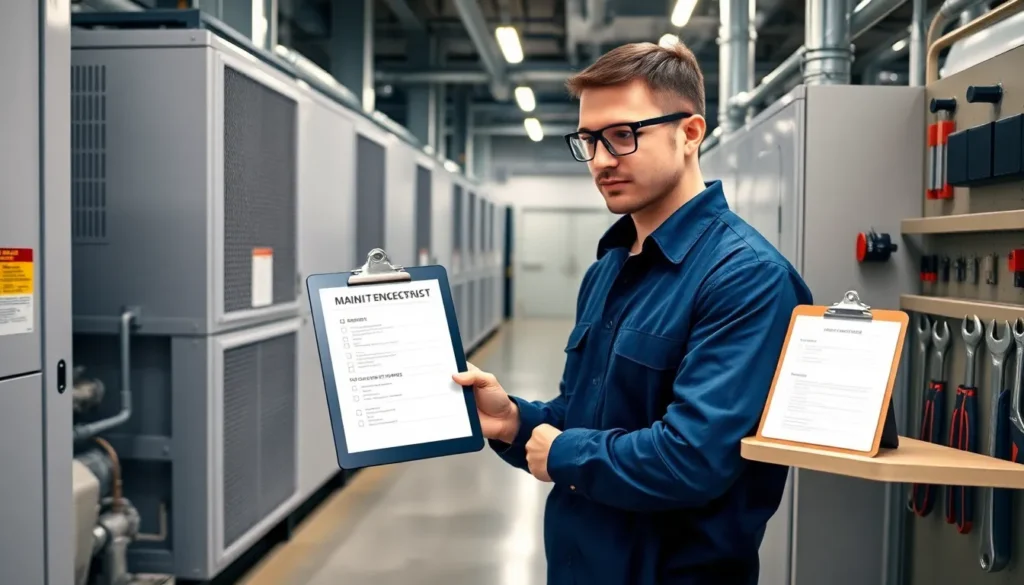

A well-designed maintenance checklist keeps equipment running, prevents costly breakdowns, and saves time. Whether managing a single facility or multiple sites, these simple documents act as the backbone of any preventive maintenance program.
This guide explains how to build maintenance checklists that actually work. It covers the basics, walks through the creation process step by step, and highlights the mistakes that trip up most teams. By the end, anyone can create checklists that improve reliability and reduce downtime.
Table of Contents
ToggleKey Takeaways
- A well-designed maintenance checklist reduces unplanned equipment downtime by 25-30% through scheduled inspections that catch problems early.
- Include specific task descriptions, frequency schedules, safety precautions, required tools, and sign-off fields in every maintenance checklist.
- Test your checklist with experienced technicians on actual equipment before finalizing to identify unclear instructions or missing steps.
- Avoid vague task descriptions like “check pump”—instead, specify exactly what to inspect, measure, or adjust.
- Review and update maintenance checklists quarterly or annually to reflect equipment changes, new failure modes, and technician feedback.
- Digital maintenance checklists through CMMS software offer advantages like automatic scheduling, photo attachments, and real-time reporting.
What Is a Maintenance Checklist?
A maintenance checklist is a document that lists all tasks required to inspect, service, or repair an asset. It serves as a step-by-step guide for technicians, ensuring they complete every necessary action in the correct order.
These checklists typically include:
- Task descriptions – Clear instructions for each maintenance activity
- Frequency – How often each task should be performed (daily, weekly, monthly)
- Required tools and parts – Materials needed to complete the work
- Safety precautions – Warnings and protective measures
- Sign-off fields – Spaces for technicians to confirm completion
Maintenance checklists apply to virtually any asset: HVAC systems, production machinery, vehicles, electrical systems, and building infrastructure. They standardize work across shifts and locations, so every technician follows the same process regardless of experience level.
The format varies based on organizational needs. Some teams use paper forms, while others rely on digital maintenance checklists through CMMS (Computerized Maintenance Management System) software. Digital versions offer advantages like automatic scheduling, photo attachments, and real-time reporting.
Benefits of Using Maintenance Checklists
Organizations that carry out maintenance checklists see measurable improvements across several areas.
Reduced Equipment Downtime
Scheduled inspections catch small problems before they become major failures. A loose belt identified during a routine check costs far less to fix than a seized motor discovered during production. Studies show preventive maintenance programs reduce unplanned downtime by 25-30%.
Consistent Work Quality
Checklists eliminate guesswork. New technicians perform tasks the same way as veterans because everyone follows identical procedures. This consistency reduces errors and ensures nothing gets skipped.
Better Compliance and Documentation
Many industries require proof of regular maintenance for regulatory compliance. Maintenance checklists create automatic records that satisfy auditors and protect organizations during inspections. Healthcare facilities, food processing plants, and manufacturing operations especially benefit from this documentation trail.
Extended Asset Lifespan
Equipment that receives regular care lasts longer. Proper lubrication, filter changes, and calibration prevent the wear that shortens asset life. Organizations often see 20-40% longer equipment lifespans after implementing checklist-driven maintenance programs.
Improved Safety
A maintenance checklist prompts technicians to check safety-critical components. Guards, emergency stops, pressure relief valves, these items get verified systematically rather than forgotten.
Steps to Build a Maintenance Checklist
Creating an effective maintenance checklist requires careful planning. Follow these steps to build one that serves its purpose.
Step 1: Identify the Asset
Start by selecting the specific equipment or system the checklist will cover. Gather manufacturer recommendations, historical maintenance records, and failure data. This information reveals which components need attention and how often.
Step 2: List All Required Tasks
Document every inspection, adjustment, cleaning, and replacement task the asset needs. Be specific. “Check oil” is vague. “Check oil level using dipstick: add SAE 30 oil if below minimum mark” tells technicians exactly what to do.
Step 3: Determine Task Frequency
Assign each task a schedule based on manufacturer guidance, operating conditions, and past experience. Some tasks happen daily (visual inspections), others monthly (filter replacements), and some annually (major overhauls). Group tasks by frequency to create separate daily, weekly, and monthly maintenance checklists.
Step 4: Add Safety Information
Include lockout/tagout requirements, personal protective equipment needs, and any hazard warnings. Safety steps should appear before the tasks they protect against.
Step 5: Specify Tools and Materials
List every tool, part, and supply needed to complete the checklist. Technicians waste time walking back to the tool crib for forgotten items. A complete materials list prevents this.
Step 6: Create Sign-Off Fields
Add spaces for technician initials, dates, and readings where applicable. These fields create accountability and generate useful data for tracking asset condition over time.
Step 7: Test and Refine
Have experienced technicians use the checklist on actual equipment. They’ll identify unclear instructions, missing steps, and impractical sequences. Revise based on their feedback before rolling out the final version.
Best Practices for Maintenance Checklist Management
Building the checklist is only half the work. Managing it properly ensures long-term success.
Review checklists regularly. Equipment changes, processes evolve, and new failure modes emerge. Schedule quarterly or annual reviews to keep maintenance checklists current. Outdated checklists cause technicians to perform unnecessary work or miss critical tasks.
Keep instructions clear and concise. Use action verbs and simple language. “Inspect drive belt for cracks and fraying” works better than “Ensure the integrity of the drive belt assembly.” Technicians should understand each task without interpretation.
Use photos and diagrams. Visual references eliminate confusion about component locations and acceptable conditions. A picture showing proper belt tension communicates more than a paragraph of text.
Train technicians on checklist use. Don’t assume everyone knows how to follow a maintenance checklist. Walk through new checklists with the team, explain the reasoning behind each task, and answer questions.
Track completion data. Monitor which checklists get completed on time and which fall behind. Patterns in this data reveal scheduling problems, resource constraints, or training gaps.
Store checklists where technicians can access them. Paper forms should live near the equipment. Digital maintenance checklists should load quickly on mobile devices. Accessibility drives compliance.
Common Mistakes to Avoid
Even well-intentioned maintenance programs stumble over these frequent errors.
Making checklists too long. A 50-item daily checklist won’t get completed properly. Technicians rush through or skip items entirely. Break lengthy checklists into smaller, focused documents assigned to different intervals.
Using vague task descriptions. “Check pump” means different things to different people. Does that mean listen for unusual sounds? Check the pressure gauge? Inspect for leaks? Specific instructions produce consistent results.
Ignoring technician feedback. The people using maintenance checklists daily know what works and what doesn’t. Organizations that dismiss their input end up with impractical documents that exist only on paper.
Failing to update after equipment changes. New components, modified settings, and replaced parts require checklist updates. Technicians following outdated instructions may damage equipment or miss critical items.
Treating checklists as bureaucratic paperwork. When teams view maintenance checklists as boxes to tick rather than tools for equipment care, quality suffers. Leaders must reinforce that checklists exist to prevent failures, not to create busywork.