

Tiny homes demand intentional design choices. Every square foot counts, and wasted space isn’t an option. But limited square footage doesn’t mean sacrificing comfort or style. With the right interior strategies, a 400-square-foot home can feel surprisingly spacious and highly functional. The key lies in multi-functional furniture, smart storage, strategic color choices, and layouts that maximize every inch. This guide walks through proven techniques to transform cramped quarters into a well-organized, visually open living space that works hard and looks great.
Table of Contents
ToggleKey Takeaways
- Multi-functional furniture like Murphy beds, convertible dining tables, and storage ottomans are essential for tiny home interior design, with Murphy beds costing $1,200–$3,500 and freeing up valuable floor space.
- Vertical storage solutions—including wall-mounted shelving, tall bookcases, and pegboards—maximize usable square footage while making ceilings feel higher in compact spaces.
- Light, neutral wall colors and strategic layered lighting visually expand rooms, while mirrors opposite windows effectively double perceived space without physical renovation.
- Tiny home kitchens and bathrooms benefit from compact appliances, pocket doors, wall-hung toilets, and neo-angle showers that optimize efficiency and create an illusion of more floor space.
- Intentional design choices that prioritize quality over quantity and careful measurement during furniture selection prevent clutter and transform cramped quarters into functional, comfortable living areas.
Multi-Functional Furniture That Works Double Duty
In a tiny home, furniture can’t afford to serve just one purpose. The sofa needs to become a guest bed. The dining table needs to double as a workspace. The ottoman should offer hidden storage.
Murphy beds remain one of the most practical solutions for tiny bedrooms. Modern wall beds fold up vertically, freeing floor space during the day. Some models include built-in desks or shelving that stay functional when the bed is raised. Expect to pay $1,200–$3,500 depending on materials and features.
Convertible dining tables are another essential. Look for drop-leaf designs, extendable models, or wall-mounted fold-down tables. A wall-mounted table can serve two for breakfast, fold flat when not in use, and extend for dinner guests. Pair it with stackable or folding chairs that tuck away in a closet.
Storage ottomans and benches provide seating while hiding blankets, shoes, or seasonal items. Choose designs with removable lids for easy access. In a living room, a storage bench can replace a coffee table and offer twice the utility.
Loft beds work well in homes with ceiling heights above 9 feet. Elevating the bed creates room underneath for a desk, closet, or seating area. Ensure the loft meets local building codes for ceiling clearance and install sturdy guardrails. This approach is common in <a href="https://gel2root.com/home-renovation-ideas-strategies/”>modern renovation strategies that prioritize vertical space.
Sofa beds and sleeper sectionals have improved dramatically in recent years. Gel and memory foam mattresses make them comfortable enough for regular use. Choose models with easy-open mechanisms, ideally ones that don’t require moving the sofa away from the wall.
When selecting furniture, measure twice. Note actual dimensions, not just manufacturer specs. A sectional that looks compact online can overwhelm a tiny living room. Always account for door widths and hallway clearances during delivery.
Clever Storage Solutions for Every Square Inch
Tiny homes succeed or fail based on storage. Without dedicated space for belongings, clutter takes over fast. The solution is to think beyond traditional closets and cabinets.
Vertical Storage to Free Up Floor Space
Wall-mounted shelving is the easiest way to reclaim floor area. Install floating shelves in the kitchen for spices and dishes, in the bathroom for toiletries, and in the living room for books and decor. Use shelf brackets rated for the load, expect 50–75 pounds per bracket for solid wood shelves mounted into studs.
Tall bookcases and cabinets draw the eye upward and make ceilings feel higher. Choose units that reach within 12 inches of the ceiling. The top shelves can store seasonal items or things used infrequently. Anchor tall furniture to wall studs using L-brackets to prevent tipping.
Pegboards and slat walls turn vertical surfaces into flexible storage. In a kitchen, pegboards hold pots, utensils, and cutting boards. In a workshop area, they organize tools. Slat wall systems with adjustable hooks and bins offer even more flexibility and a cleaner look.
Over-door organizers add storage without any installation. Use them for shoes, cleaning supplies, or pantry items. In a bathroom, an over-door rack can hold towels and toiletries.
Many homeowners find inspiration in small space living ideas that highlight creative vertical solutions.
Hidden Storage in Unexpected Places
Under-stair storage is often wasted in tiny homes with lofts. Install pull-out drawers, cubbies, or even a small closet beneath the staircase. Custom-built solutions maximize the odd angles, but modular drawer systems from home improvement stores work in a pinch.
Toe-kick drawers sit beneath kitchen cabinets in the recessed space at floor level. They’re perfect for baking sheets, cutting boards, or flat items. These require custom installation but add significant storage in an otherwise unused area.
Built-in window seats with lift-up tops provide seating and storage. Add cushions for comfort and use the interior for linens, books, or games. This works best with windows at least 36 inches wide.
Hollow furniture hides storage inside. Platform beds with built-in drawers or lift-up mattress platforms store clothing, shoes, or luggage. Coffee tables with hidden compartments keep remotes, magazines, and blankets out of sight.
Behind-the-door hooks and racks use the back of closet and bathroom doors. Install sturdy hooks rated for 10–15 pounds each to hang robes, bags, or coats.
Applying renovation techniques that focus on built-ins can transform awkward corners into functional storage.
Color and Light Tricks to Make Rooms Feel Larger
Color and lighting won’t physically expand a tiny home, but they dramatically affect how spacious it feels. The right palette and fixtures create visual openness.
Light, neutral colors on walls reflect more light and recede visually. Whites, soft grays, and warm beiges are safe choices. High-gloss or satin finishes reflect even more light than flat paint, though they show imperfections. One gallon of quality interior paint covers roughly 350–400 square feet with one coat.
Monochromatic color schemes reduce visual clutter. When walls, trim, and ceilings share similar tones, boundaries blur and spaces feel less choppy. Add variety through texture, linen curtains, wood furniture, woven rugs, rather than bold color shifts.
Accent walls can add depth if used carefully. A darker accent wall at the far end of a narrow room can make it feel shorter and more balanced. Avoid dark colors on all walls in small spaces: they absorb light and close in the room.
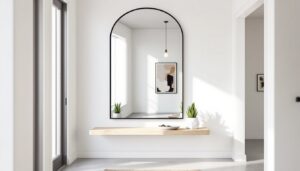
Mirrors are the oldest trick in the book, and they still work. A large mirror opposite a window reflects natural light and visually doubles the space. Mirrored closet doors serve the same purpose. Avoid placing mirrors directly across from each other, which creates a disorienting tunnel effect.
Layered lighting prevents harsh shadows and flat, dim spaces. Combine ambient lighting (overhead fixtures), task lighting (under-cabinet LEDs, reading lamps), and accent lighting (picture lights, LED strips). Dimmer switches let occupants adjust brightness based on time of day and activity.
Recessed lighting and flush-mount fixtures keep ceilings clear and uncluttered. Pendant lights work well over dining tables or kitchen islands but should hang high enough to avoid head bumps, typically 30–36 inches above the surface.
Sheer or light-filtering window treatments maximize natural light. Heavy drapes block light and make rooms feel smaller. If privacy is a concern, use cellular shades or café curtains that cover the lower half of windows while leaving the top open.
Designers at modern interior design sites often emphasize the power of light colors and strategic lighting in compact spaces.
Space-Saving Kitchen and Bathroom Designs
Kitchens and bathrooms present the biggest challenge in tiny homes. Both require plumbing, appliances, and ample storage, yet they’re often the smallest rooms.
Compact appliances tailored for small spaces are essential. Apartment-size refrigerators (18–24 inches wide) provide enough cold storage for two people. Two-burner cooktops or 18-inch ranges fit tight kitchens. Some tiny homeowners skip the oven entirely and rely on a countertop convection oven or toaster oven.
Undermount or single-bowl sinks save counter space. A 24-inch sink is workable in most tiny kitchens. Pair it with a pull-down faucet that offers a spray function for easier cleaning.
Open shelving instead of upper cabinets makes a small kitchen feel less cramped. It also forces occupants to keep dishware organized and visually appealing. If dust or grease is a concern, use a mix of open shelves and a few closed cabinets.
Pull-out pantry cabinets and lazy Susans maximize corner storage. Magnetic knife strips and hanging pot racks free up drawer and cabinet space. Wall-mounted spice racks keep counters clear.
Pocket doors or barn doors in bathrooms save the swing space required by traditional hinged doors. A standard interior door needs about 9 square feet of clearance: a pocket door requires none. Installation involves cutting into the wall and installing a track, which is manageable for intermediate DIYers.
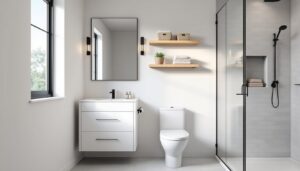
Wall-hung toilets and vanities create an illusion of more floor space and make cleaning easier. Wall-hung toilets require in-wall carriers and sturdy framing, consult a plumber if you’re retrofitting. These are popular in the renovation trends for 2026 that prioritize clean lines and efficiency.
Corner sinks and showers use dead space. A neo-angle shower (shaped like a diamond in the corner) fits where a standard rectangular unit won’t. Pair it with a curved shower rod to add elbow room without expanding the footprint.
Medicine cabinets with mirrored fronts combine storage and function. Recessed models sit flush with the wall and don’t protrude into the room. Install them between studs (typically 14.5 inches wide for standard 16-inch on-center framing).
Tankless water heaters mounted on walls save floor space compared to traditional tank models. They also provide endless hot water, a real advantage in tiny homes where every occupant showers back-to-back. Professional installation is usually required to meet code and ensure proper venting.
For more ideas on optimizing small bathrooms and kitchens, modern home design resources showcase real-world examples from tiny homes worldwide.
Conclusion
Tiny homes reward intentional design. Multi-functional furniture, vertical storage, light colors, and space-efficient layouts turn tight quarters into comfortable, organized living spaces. Prioritize quality over quantity, measure carefully, and don’t skip the details. With the right approach, a tiny home can feel just as livable as one twice its size.